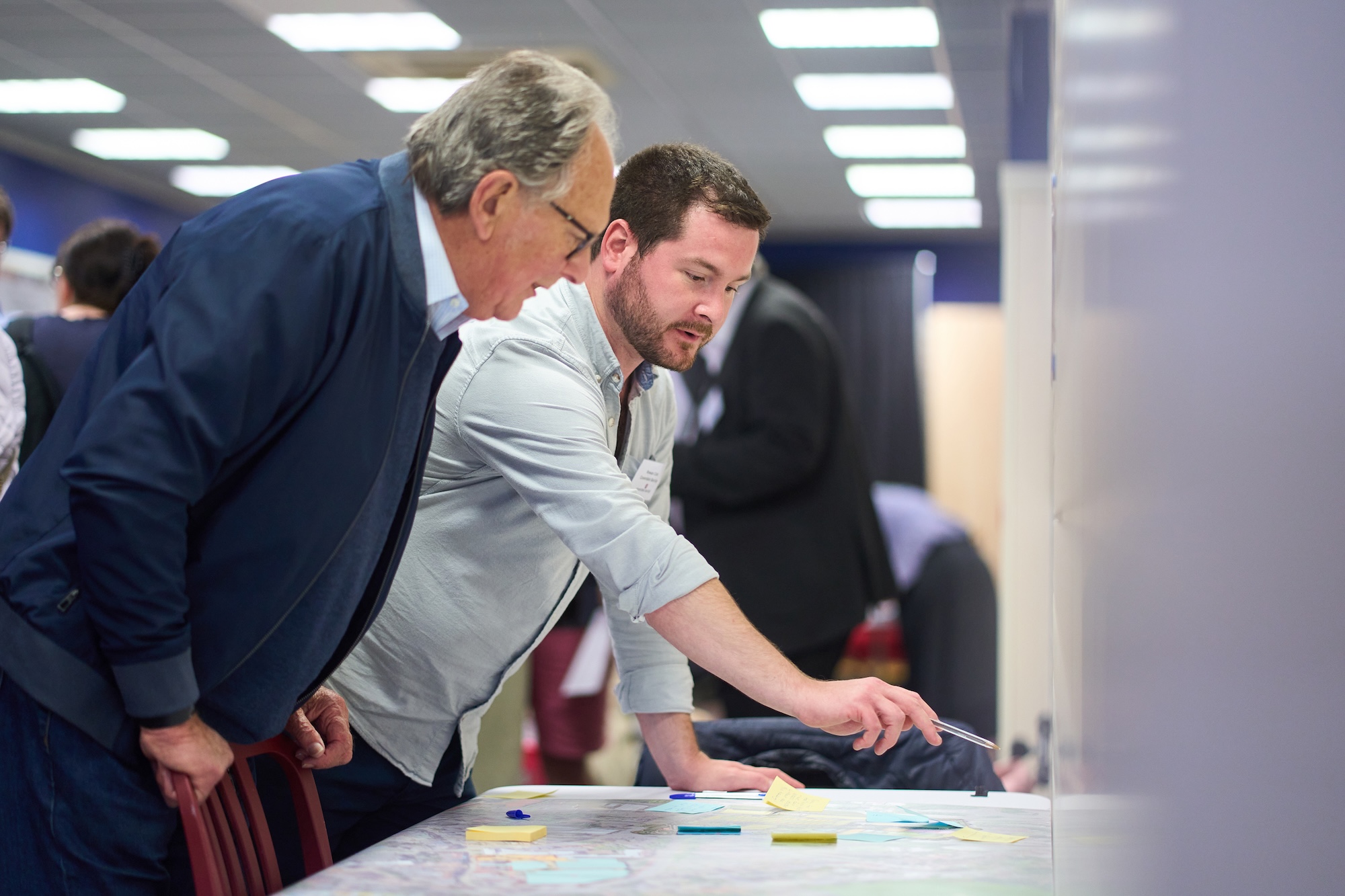
Navigate the politics of planning
Political and stakeholder engagement. Risk management for consultation.
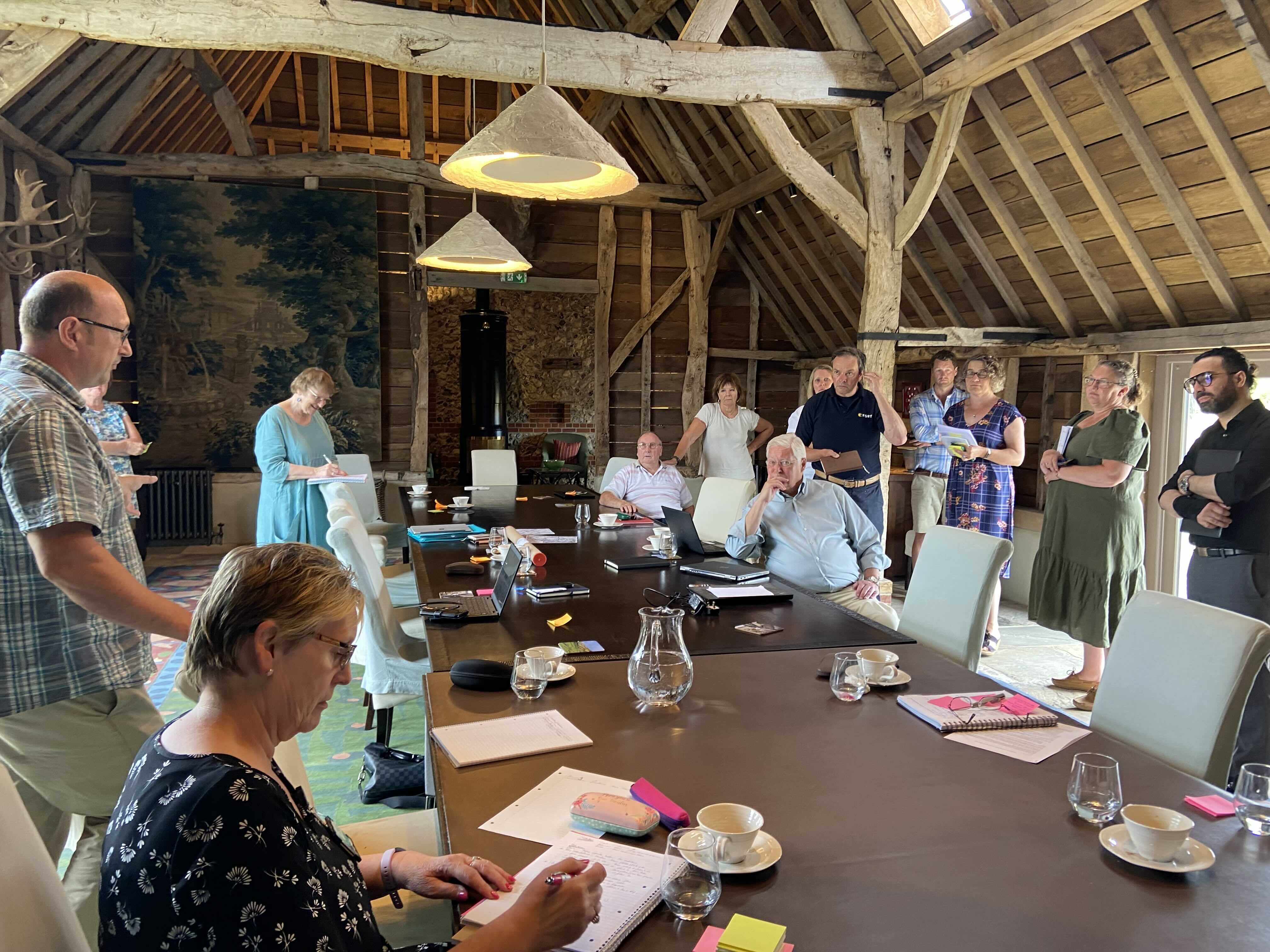
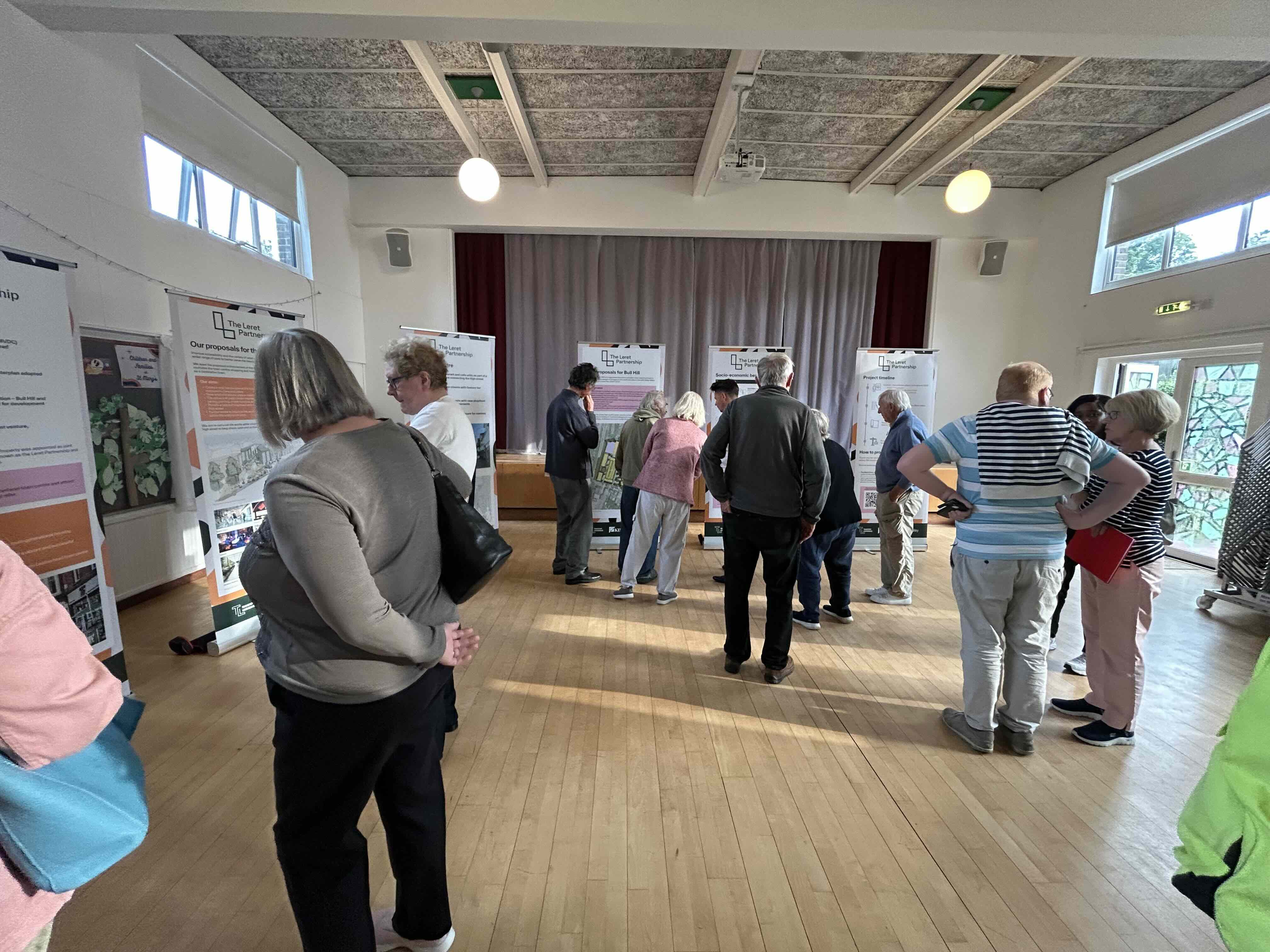
We have a 360 degree perspective having sat in every seat around the committee table, from Councillor to Officer, Project Team to Representer.
Would you like to find out more about...
Continue scrolling
Politics with a small-p
In a period of council restructuring, financial pressure and growing political disengagement, consultation on planning applications and policy development requires more than traditional expertise.
COALFACE brings together committee room decision-making experience, political intelligence, and data-driven analysis to strengthen proposals in today's challenging environment.
Our approach recognises that planning decisions are made by people, influenced by political dynamics, local pressures, and governance realities. We provide the insight needed to navigate this complex landscape.
Click to change
Click to change
Click to change
Click to change
Our Services
Comprehensive planning support grounded in political reality and delivered with intelligence
Engagement
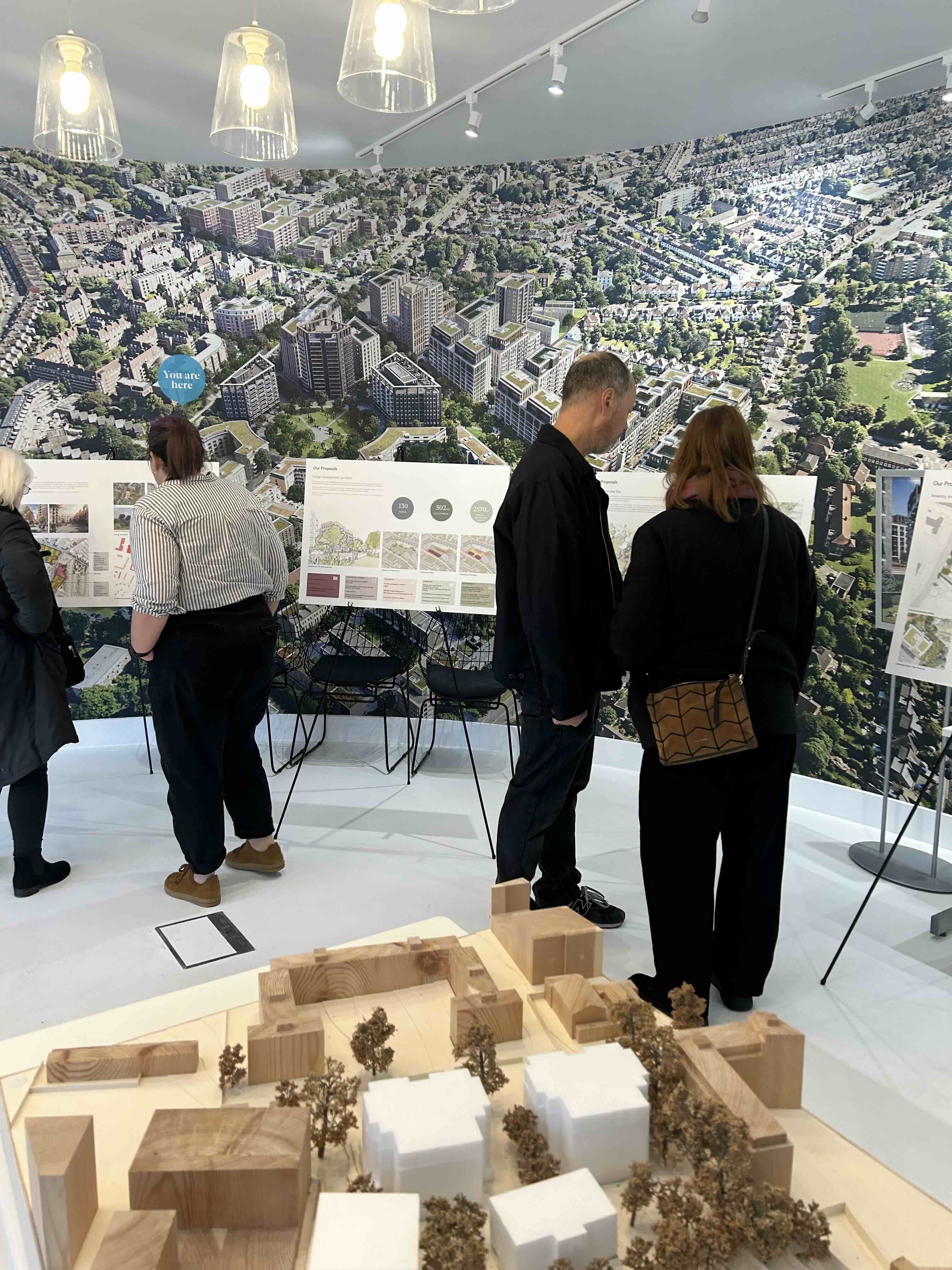
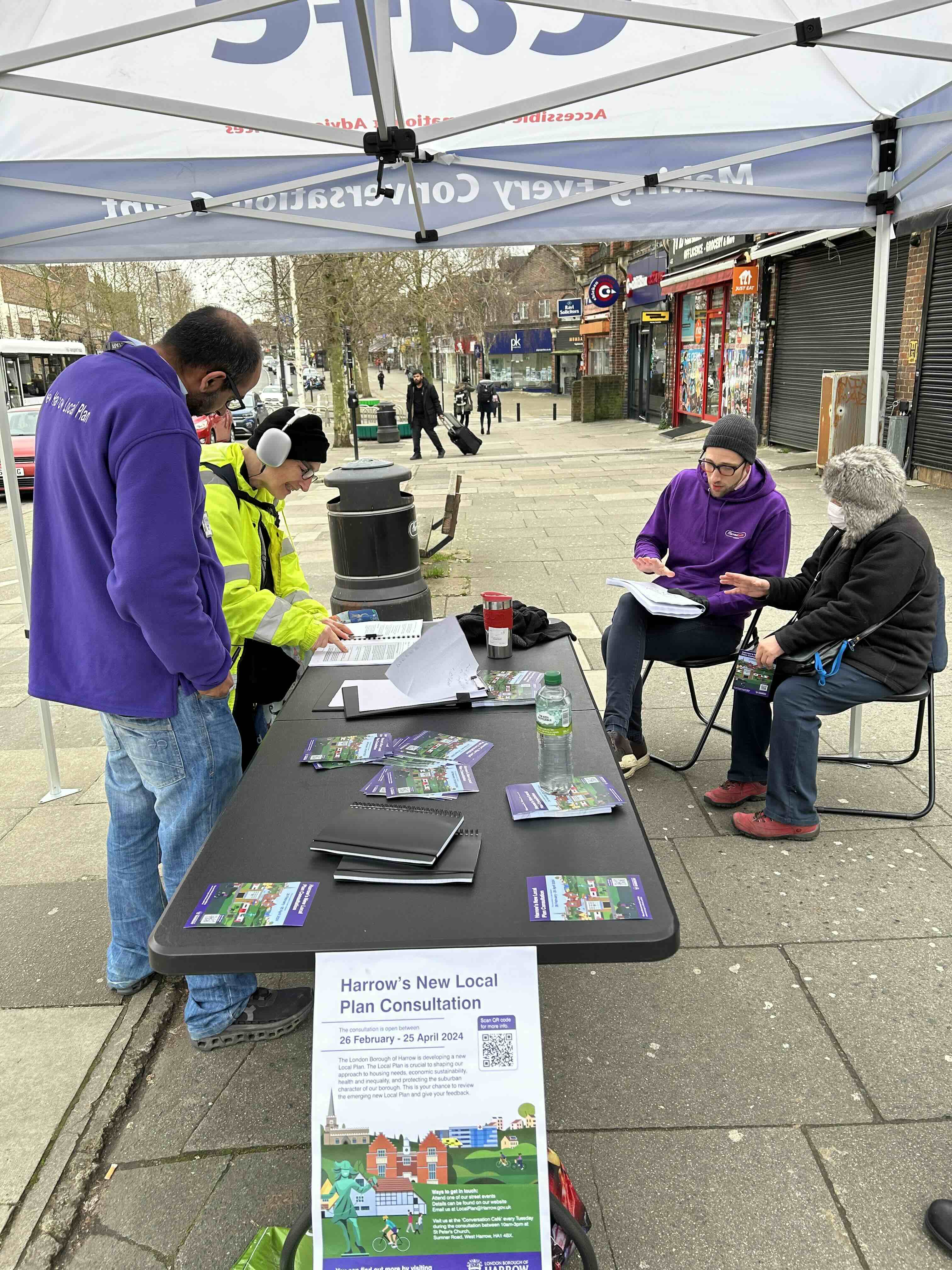
Intelligence-driven community consultation shaped by political behaviour and committee room realities.
Learn More
Insight
Planning analysis that explains decision-making processes and provides actionable intelligence.
Learn More
Council Scanner
Diagnostic tool for assessing council planning behaviour and identifying key decision-makers.
Learn MoreLatest Insights
Research, analysis, and commentary on UK planning and local government
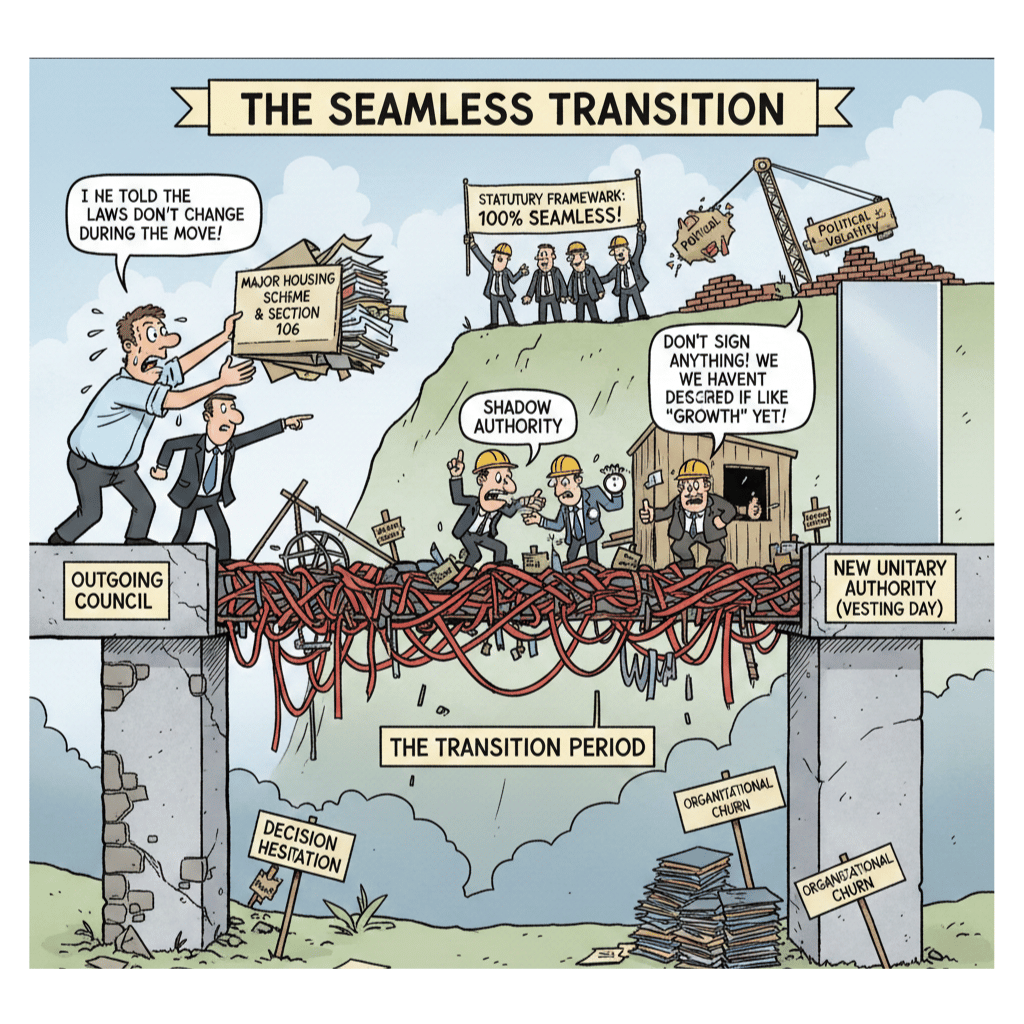
Planning Through Reorganisation: What Local Government Reform Really Means for Decision Making
Local Government Reorganisation creates a prolonged period of political, organisational and operational uncertainty that directly affects how planning decisions are made, timed and defended.
WHY COALFACE™
We bring together planning expertise, political fluency and modern engagement capability to support decisions that stand up to scrutiny.
PLANNING EXPERTISE
From planning applications to Local Plan preparation, we deliver planning consultation that recognises policy constraints, political conditions and statutory expectations.
POLITICAL FLUENCY
We interpret the political and organisational pressures shaping planning decisions, including LGR transitions, section 114 exposure and committee dynamics.
DIGITAL CAPABILITY
Modern, proportionate digital tools enable efficient community engagement and insight gathering without compromising depth or representativeness.
WHAT OUR CLIENTS SAY
TESTIMONIALS
Our partners value the clarity, political understanding and practical judgment we bring to complex schemes and programmes.
Knowledge of the planning process adds real depth to the communications produced, and a background in both politics and planning enables an informed and sensitive approach to planning-related communications and engagement.
CHIEF PLANNING OFFICER
Local Government
An excellent operator and has been a valued collaborator on several projects. Brings strong expertise in politics, stakeholder engagement and communications. We would recommend working with without hesitation.
DIRECTOR
Community Engagement Consultancy, Private Sector
Subscribe to Our Newsletter
Stay informed with the latest insights on UK planning and local government
Frequently Asked Questions
Common Questions
Quick answers to your most frequently asked questions
Ready to Strengthen Your Planning Application?
Get in touch to discuss how we can support your project